
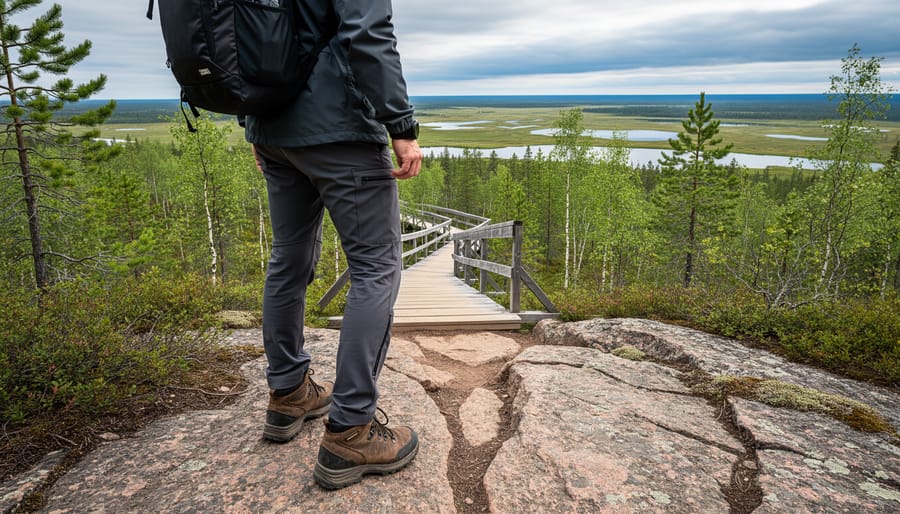
Manitoba’s trail network puts you on the path to some of Canada’s most diverse hiking experiences, from Boreal forest boardwalks and limestone cliff vistas to prairie wetlands and tundra transitions. Whether you’re after a 20-minute lakeside stroll or a backcountry overnight, the province’s trail system spans over 2,500 kilometers across provincial parks and protected areas, accessible to hikers of all abilities with minimal red tape.
Most trails require nothing more than a valid park entry permit and basic preparation. A handful of remote routes need advance registration or backcountry camping permits, but the majority welcome you to simply show up, lace your boots, and go. What sets Manitoba apart is the sheer variety packed into relatively compact geography. You can hike coastal tundra in Wapusk, scramble Precambrian Shield ridges in Whiteshell, and walk through tallgrass prairie in the south, all within a few hours’ drive.
This guide breaks down everything you need to know: which trails deliver the best experiences for your skill level, what permits and fees apply, how to plan safe trips into backcountry zones, your responsibilities on public land, and where to find current conditions and trail closures. We’ve also pulled together a curated list of standout hikes that capture the full spectrum of what Manitoba’s parks offer. By the end, you’ll have a clear roadmap to get out there and experience the trails that make this province a quietly exceptional hiking destination.
What Makes Manitoba Provincial Park Trails Unique
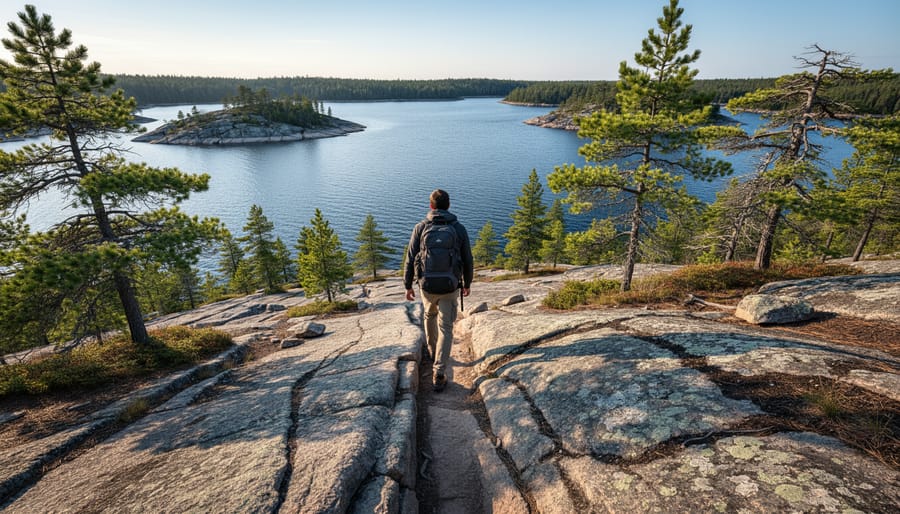
Manitoba’s provincial park trails stand out because they compress an extraordinary range of ecosystems into relatively compact, accessible spaces. Within a few hours’ drive from Winnipeg, you can hike across granite outcrops carved by ancient glaciers, wind through dense boreal forest, traverse open prairie grasslands, or walk alongside wetlands teeming with waterfowl. This isn’t the dramatic elevation of the Rockies or the coastal grandeur of the Pacific, but it’s a landscape that rewards attentive hikers with subtle beauty, abundant wildlife, and the kind of solitude that’s increasingly rare near major cities.
The geological diversity is the foundation. Eastern parks like Whiteshell sit on the Canadian Shield, where exposed bedrock, countless lakes, and stunted jack pines create rugged, photogenic terrain. Head west to parks like Spruce Woods, and you’re walking through remnant sand dunes left by glacial Lake Agassiz, surrounded by pockets of tallgrass prairie. Riding Mountain’s escarpment offers a third experience entirely: a forested plateau rising abruptly from farmland, home to elk, black bears, and trails that feel genuinely remote.
What qualifies as a top trail here isn’t just scenery. It’s the combination of natural interest, trail condition, and practical access. The best trails offer clear signage, regularly maintained pathways, accurate distance markers, and enough variety to keep the hike engaging without requiring technical skills. Many include interpretive signs explaining the ecology or Indigenous history of the area. Accessibility matters too: several parks have invested in boardwalks, gravel paths, and gentle grades that welcome families with young children, older hikers, and people using mobility aids. You’re not sacrificing experience for convenience; you’re gaining both.
Who Can Hike These Trails: Access and Eligibility
Manitoba’s provincial park trails welcome just about everyone. There’s no special license, membership, or residency requirement to hike these paths, visitors from anywhere can explore. The main barrier to entry is a park vehicle permit, not your background or experience level.
Park Pass Requirements
You’ll need a valid vehicle permit to enter most provincial parks where the best trails are located. Daily passes run around $10 to $15 depending on the park, while annual passes (roughly $55 for Manitoba residents, $75 for non-residents) make sense if you plan more than a few visits. You can buy passes online through the Manitoba Parks website, at park gates, or at some retail locations before you arrive. If you’re just passing through on a highway that cuts across a park, you typically don’t need a permit, but the moment you pull into a trailhead parking area, you do.
Group leaders bringing school groups or organized outings should check for group rates or educational permits, which can reduce costs for larger parties. Solo hikers and families pay the same vehicle rate regardless of how many people pile into the car.
Who’s Welcome on the Trails
Age is no barrier. These trails see everyone from toddlers on family walks to seniors maintaining their weekend hiking routines. Many parks have posted minimum age recommendations for backcountry or challenging routes, but frontcountry day trails are open to all ages with appropriate supervision.
Here’s what you need to know about access and policies:
- Park passes cover everyone in your vehicle, no per-person fees for hiking
- Dogs are allowed on most trails but must stay leashed; some sensitive wildlife areas restrict pets entirely, so check current regulations for your chosen park
- Accessible trails with firm, wide surfaces exist at Birds Hill, Whiteshell, and other major parks; check the Manitoba Parks accessibility guide for specifics on grade, surface type, and rest areas
- Seasonal access varies, some trails close during spring flooding or become snowshoe-only in winter; always verify current conditions before driving out
- Backcountry overnight trips may require separate camping permits and registration at trailheads
Accessibility features have improved significantly in recent years. Several parks now offer all-terrain wheelchairs for loan, paved or hardpack trails suitable for mobility devices, and accessible viewing platforms at scenic points. If you need specific accommodations, call the park office ahead of your visit to confirm what’s available and arrange any necessary equipment.
How to Plan Your Trail Visit and Get Started
Choosing Your Trail
Start by assessing your fitness level honestly. If you’re new to hiking, look for loops under five kilometres marked as easy or moderate, these typically feature well-groomed paths with minimal elevation changes. Experienced hikers can tackle longer routes with rougher terrain and steeper climbs, like backcountry trails requiring navigation skills.
Time matters more than you’d think. A five-kilometre trail can take anywhere from ninety minutes to three hours depending on terrain and your pace. Add buffer time for rest stops, photos, and unexpected delays. Early morning starts give you the most flexibility, especially for longer routes.
Seasonal conditions reshape the same trail dramatically. Spring brings mud and mosquitoes but fewer crowds. Summer offers the best footing but demands extra water. Fall delivers spectacular colours and comfortable temperatures. Winter transforms trails into snowshoe routes, closing some entirely.
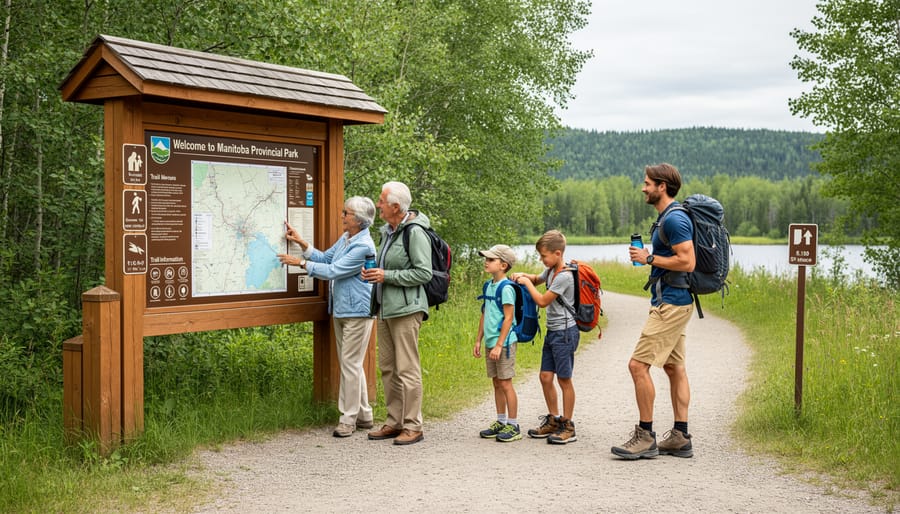
For current conditions and maps, check the Manitoba Parks website before heading out. It posts recent trail updates, closures, and seasonal alerts. Trailhead kiosks often have printed maps, but download digital versions beforehand in case cell service is spotty. Local hiking groups on social media frequently share real-time reports from people who just walked the trail you’re considering.
Getting Your Park Pass and Permits
Manitoba Parks makes getting your pass straightforward. You can purchase a day pass or a seasonal vehicle permit online through the Manitoba Parks reservation system before you arrive, or buy one at the park gate when you enter. The online option saves time and guarantees entry during busy summer weekends when some parks reach capacity.
A seasonal pass costs around $45 for Manitoba residents and covers unlimited entry to all provincial parks from May through the following April. Non-residents pay roughly $90. Day passes run about $10 per vehicle. If you’re hiking with a group of ten or more, call the park office ahead to arrange entry, large groups sometimes need advance notice, especially for popular trailheads with limited parking.
Most trails don’t require special permits beyond park entry, but backcountry camping on multi-day routes like the Mantario Trail needs a separate wilderness camping permit, which you reserve online. Always purchase your pass before hitting the trail; compliance checks happen regularly, and you’ll face fines if you’re caught without valid entry documentation.
Day-of Preparation
On the morning of your hike, check Manitoba Parks’ website or call the park office for real-time trail conditions, weather warnings, and any emergency closures. Summer thunderstorms can roll in quickly across the prairie, and spring runoff may flood low-lying sections without notice.
Pack water, at least one liter per person for a short hike, more for full-day excursions, and high-energy snacks. Our Manitoba food guide offers trail snack ideas that travel well and fuel you through longer routes. Bring a basic first aid kit, bug spray (essential May through August), sunscreen, and a trail map, cell service is unreliable in many parks.
Arrive early to secure parking, especially on weekends at popular trailheads like Falcon Lake or Agassiz. Some parks charge day-use fees payable at automated kiosks near the lot. If the trail requires registration, sign in at the trailhead logbook with your group size, intended route, and expected return time. This simple step aids search-and-rescue efforts if you don’t return as planned.
Top Hiking Trails in Manitoba Provincial Parks
Whiteshell Provincial Park Trails
Whiteshell Provincial Park sits on the western edge of the Canadian Shield, where ancient Precambrian rock forms a dramatic backdrop to some of Manitoba’s most rewarding hiking. The landscape here feels different from the prairies, dense boreal forest, granite outcrops, and over 200 interconnected lakes create terrain that challenges and captivates.
The Hunt Lake Trail is a moderate 8-kilometre loop that showcases the Shield’s character without demanding backcountry experience. You’ll navigate exposed granite ridges, cross moss-carpeted forest floors, and reach viewpoints over Hunt Lake’s clear waters. The trail is well-marked and suitable for fit day hikers, though the rock scrambles require decent footwear and dry conditions.
For backcountry enthusiasts, the Mantario Trail stands out as Manitoba’s premier multi-day hiking route. This 66-kilometre point-to-point trail runs from the Caddy Lake area north to Mantario Lake, typically hiked over three to five days. Expect rugged, unmaintained sections with river crossings, wet bogs, and elevation changes that test navigation skills. You’ll need a backcountry camping permit, bear-safe food storage, and genuine wilderness preparation. The reward is solitude among Shield lakes and old-growth forest that few Manitobans ever experience.
Both trails deliver the boreal wilderness experience that defines Whiteshell’s appeal.
Riding Mountain National Park and Adjacent Trails
Riding Mountain National Park sits on a dramatic escarpment where boreal forest meets prairie, offering trails that range from easy lakeside strolls to challenging backcountry routes. The Bald Hill Trail climbs 300 meters to sweeping views over the surrounding farmland, while the Central Trail traverses deep forest and meadows rich with wildlife. Though federally managed, Riding Mountain anchors Manitoba’s hiking culture and connects seamlessly with provincial options nearby. Duck Mountain Provincial Park, just east, extends the escarpment experience with rugged trails through mixed forest and past hidden lakes. These complementary systems let hikers explore the full transition zone, boreal highlands, aspen parkland, and wide-open prairie, all within a day’s drive from Winnipeg.
Hidden Gems: Birds Hill, Spruce Woods, and Hecla
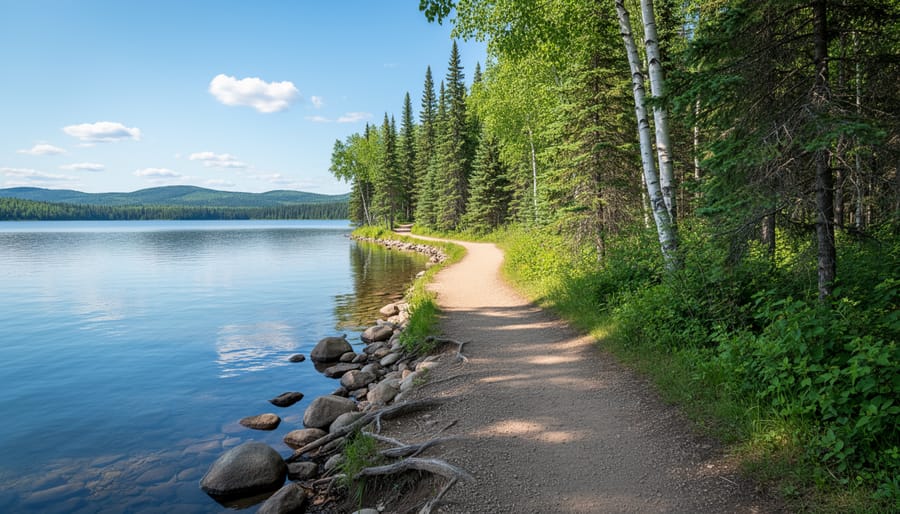
Beyond the well-trodden paths of Whiteshell and Riding Mountain, Manitoba’s lesser-known provincial parks deliver rewarding hikes without the crowds. Birds Hill Provincial Park, just 24 kilometers northeast of Winnipeg, offers an easy escape with its 8.4-kilometer Chickadee Trail loop winding through mixed forests and meadows. The Cedar Bog Trail here is short but fascinating, giving you boardwalk access through a rare boreal wetland ecosystem within half an hour of the city.
Spruce Woods Provincial Park showcases Manitoba’s most unexpected landscape: the Spirit Sands, an active desert complete with dunes, cacti, and hognose snakes. The 5.8-kilometer Spirit Sands Trail takes you through these otherworldly sandhills, then along the Assiniboine River. It’s moderately challenging due to soft sand underfoot, but the payoff is walking terrain that feels transported from Arizona. Go early in the day during summer, exposed sand gets scorching by afternoon.
Up north, Hecla/Grindstone Provincial Park pairs easy lakeside walking with genuine solitude. The Grassy Narrow Marsh Trail is a 3.2-kilometer boardwalk route offering excellent birdwatching across wetlands teeming with waterfowl, while the West Quarry Trail provides gentle forest walking with Lake Winnipeg views. These trails suit families and anyone seeking accessible nature without technical demands. All three parks maintain their trails well and offer full facilities, making them ideal for testing your hiking legs before tackling more remote routes.
Seasonal Trail Highlights
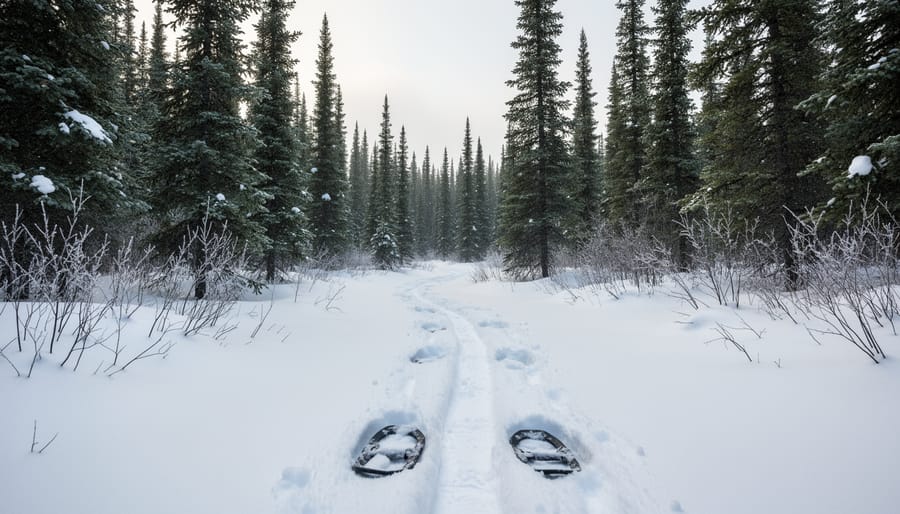
Manitoba’s trails transform with the seasons, each offering distinct rewards for hikers willing to time their visit.
Spring brings ephemeral wildflowers to Birds Hill Provincial Park’s hardwood forests, where trilliums and hepatica carpet the forest floor in late April and May. The trails around Pine Point remain soft underfoot but passable, creating ideal conditions for flower photography before the canopy closes.
Summer hikers gravitate toward Whiteshell’s Hunt Lake Trail, where the 2.5-kilometre loop delivers swimming access at multiple granite shoreline points. Brereton Lake’s beach-accessible trails let you alternate between forest shade and cool dips throughout the day.
Fall transforms Riding Mountain’s escarpment trails into corridors of gold and crimson. The Ominnik Marsh Trail showcases trembling aspen at peak colour in late September, while the cooler temperatures make longer hikes comfortable and bug-free.
Winter opens Spruce Woods’ Spirit Sands to snowshoers, the dunes taking on sculptural beauty under snow. Birds Hill’s groomed trails accommodate both snowshoeing and winter hiking, with the flat terrain forgiving for those new to cold-weather trekking. Hecla’s Grassy Narrows trail becomes a silent, frosted corridor ideal for spotting winter wildlife tracks.
Your Rights and Responsibilities on the Trail
When you step onto a Manitoba provincial park trail, you’re entitled to well-marked routes, maintained pathways free of major obstructions, posted maps at trailheads, and accessible emergency contact information. Park staff work to keep signage clear and trails in usable condition, and you have the right to expect accurate information about closures, hazards, and difficulty levels before you set out.
Your responsibilities start before you leave the trailhead. Pack out everything you pack in, fruit peels, wrappers, tape from blister treatment, all of it. Stay on marked trails to prevent erosion and protect fragile vegetation, especially in wetland and prairie ecosystems where a single bootprint can damage years of growth. If you encounter wildlife, give animals space: never approach, feed, or attempt to photograph bears, moose, or nesting birds at close range. Carry bear spray in areas where black bears are common, make noise on blind corners, and store food properly if you’re camping overnight.
Fire regulations are strict and non-negotiable. Check current bans before your trip, use only designated fire pits where fires are allowed, and drown all embers until they’re cold to the touch. If a trail is closed for wildlife management, prescribed burns, or hazardous conditions, respect outdoor rules and choose an alternate route. Many parks sit on Treaty lands; honor Indigenous heritage by staying on public trails, respecting any marked sacred or sensitive sites, and learning about the territory you’re walking through.
Before heading out, know your supplements and medications if you rely on them during extended hikes, and familiarize yourself with outdoor vaping facts since many parks restrict smoking and vaping near trailheads and picnic areas. The balance is simple: parks provide access and infrastructure, you provide respect and care.
Where to Get Help, Maps, and Trail Information
Planning a hike is only half the journey, knowing where to find reliable information ensures you stay safe and make the most of your time on the trail. Manitoba offers a robust network of official resources, digital tools, and community support to help hikers of all experience levels.
Start with Manitoba Parks’ official website, your primary source for current trail conditions, closures, and seasonal updates. The site lists contact information for individual park offices, where staff can answer specific questions about trail difficulty, accessibility, and recent wildlife activity. Many parks also maintain visitor centers at main gates, stocked with paper maps, local insights, and real-time weather advisories.
For detailed trail navigation, these resources are essential:
– Manitoba Parks official website: Trail maps, park pass purchases, and condition updates
– Parks Canada website: Information for Riding Mountain and other national sites connected to Manitoba’s trail network
– AllTrails app: User reviews, GPS tracks, and photos from recent hikers
– Visitor centers: Located at Whiteshell, Birds Hill, Spruce Woods, and Hecla park gates
– Emergency contacts: Dial 911 for serious incidents; park office numbers for non-emergencies
Local hiking groups like Hiking Manitoba and Wilderness Hiking Manitoba organize group outings and share trail beta through social media. These communities are invaluable for first-timers seeking advice or experienced hikers scouting new routes.
Check your health before hiking and always tell someone your planned route and return time. Download offline maps before heading out, cell service is spotty in many provincial parks, and a GPS track can be a lifesaver when trail markers fade or snow covers the path.
How to Apply or Complete the Process
Accessing Manitoba provincial park trails doesn’t involve a formal application process, but you do need to complete a few administrative steps before hitting the path.
Purchase Your Park Pass First
Buy a daily vehicle permit at the park gate or online through the Manitoba Parks website before you arrive. Annual passes are available for frequent visitors and cover entry to all provincial parks. Keep your receipt or permit visible on your dashboard.
Register at the Trailhead When Required
Some backcountry trails and overnight routes require registration. Fill out the trailhead log with your name, planned route, expected return time, and emergency contact. This isn’t bureaucracy, it helps park staff locate you if something goes wrong.
Book Campsites for Multi-Day Hikes
If your trail includes camping, reserve backcountry sites through the Manitoba Parks reservation system. You’ll receive a confirmation number and specific site assignment. Print or save this confirmation to show park staff if asked.
Complete Any Special Use Permits
Group hikes over a certain size, commercial photography, or organized events need advance approval. Submit requests through the park office at least two weeks ahead. Most solo and small-group day hikes need nothing beyond your park pass.
That’s it. No lengthy applications, just straightforward steps that get you on the trail.
Frequently Asked Questions About Manitoba Provincial Park Trails
Do I need a park pass for day hiking?
Yes, you’ll need a daily vehicle permit or an annual provincial parks pass to access most trails in Manitoba’s provincial parks. Passes can be purchased online, at park gates, or at visitor centers.
Are dogs allowed on the trails?
Dogs are permitted on most Manitoba provincial park trails but must be kept on a leash no longer than three meters. Some trails with sensitive wildlife areas may have restrictions, so check specific park regulations before you go.
Can I camp along the trails?
Backcountry camping is available on designated trails like the Mantario in Whiteshell, but you’ll need to register and obtain a backcountry camping permit. Not all trails offer camping, so confirm beforehand if you’re planning an overnight trip.
What trails are open in winter?
Many provincial park trails remain open for winter activities like snowshoeing and cross-country skiing, though facilities may be limited and roads unplowed. Birds Hill and sections of Whiteshell are popular winter destinations with maintained access.
Beyond these common queries, accessibility varies by trail. Some parks like Birds Hill offer paved, wheelchair-accessible paths, while remote backcountry routes require strong mobility and experience. Trail maps typically indicate surface type and grade, helping you choose appropriate routes. If you’re planning a group visit or have specific accessibility needs, contacting the park office in advance ensures you get accurate, current information about trail conditions and available accommodations. Most parks publish seasonal updates that address changing access points, temporary closures for wildlife management, and weather-related hazards worth knowing before you drive out.
Manitoba’s provincial park trails are waiting for you, and getting out there is easier than you might think. Whether you’re after a quick escape from the city at Birds Hill, a challenging backcountry trek on the Mantario, or a family-friendly ramble through Spruce Woods, there’s a trail that fits your pace and your Saturday afternoon.
The beauty of hiking here is the sheer variety packed into one province, boreal forest one weekend, prairie sandhills the next, limestone cliffs after that. You don’t need to be an expert or own fancy gear to start. Grab a park pass, check the trail conditions, lace up your boots, and go. Manitoba’s trails are built for exploration, not intimidation.
Every hike teaches you something new about this province’s character: the quiet resilience of the boreal, the surprise of finding a hidden waterfall, the way light filters through aspen in October. The trails are here, the parks are accessible, and your favorite path is out there waiting to be discovered. All you have to do is take the first step.

